Your Proven Building Professional for Premium Residential Upgrades
A trusted construction expert plays an vital part in home improvement projects. Their expertise guarantees projects are completed with exactness and attention. By prioritizing premium supplies and skilled workmanship, they enhance both visual appeal and worth. Transparent dialogue and careful planning are necessary for a hassle-free experience. However, many homeowners neglect important considerations when selecting a builder. Understanding what to emphasize can make all the difference in achieving a successful renovation. What should homeowners consider first?
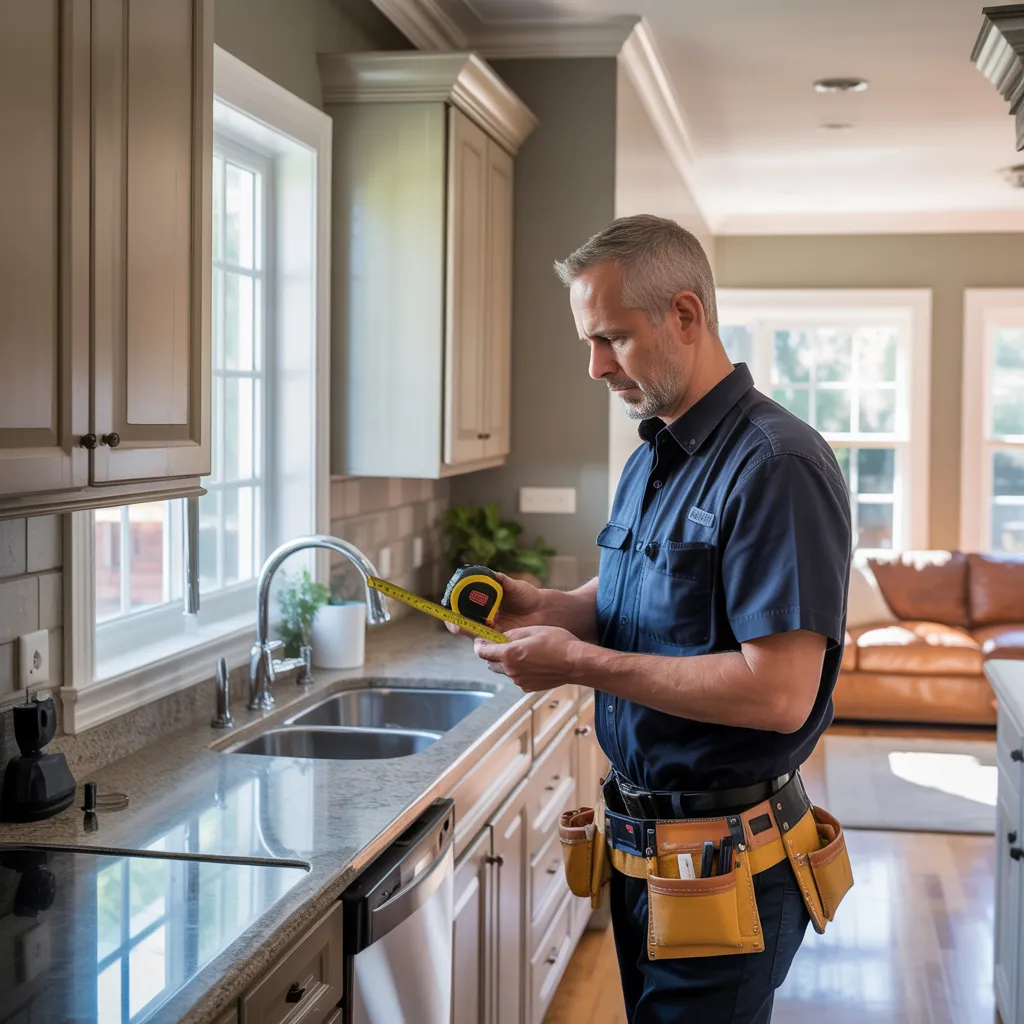
What to Look for in a Reliable General Contractor
When beginning a home renovation undertaking, how can one ensure they select a reliable general contractor? First, individuals should seek recommendations from loved ones, acquaintances, or web-based testimonials to find potential candidates. It is crucial to verify credentials, including permits and coverage, ensuring the contractor meets local regulations. Next, examining past work through portfolios or references provides insights into the contractor's workmanship and dependability.
Furthermore, obtaining several bids can assist in establishing competitive pricing and work timelines. Interpersonal skills are also vital; a contractor must remain accessible and responsive to client questions. Moreover, a detailed contract specifying project parameters, deadlines, and payment terms protects both parties involved. In the end, trust your instincts; if a contractor practical tips seems unprofessional or vague, it could signal future issues. By adhering to these recommendations, homeowners can significantly boost their chances of selecting a reliable general contractor, resulting in successful home improvement projects.
Why a Local General Contractor Proves to be Your Optimal Choice
Opting for a community general contractor can greatly enhance the success of domestic renovation projects. Local contractors demonstrate invaluable knowledge of the area, including structural codes, standards, and zoning laws, ensuring compliance and efficiency. Their proven connections with retailers and supporting contractors can facilitate favorable rates and timely access to resources and experienced professionals.
Moreover, local contractors often maintain a reputation to copyright in the community, driving them to produce excellent work. This sense of accountability creates faith and assurance among homeowners.
Furthermore, nearness supports better interaction and quicker response, which can be paramount during a project. Homeowners can also gather referrals from neighbors or friends who have had past dealings with the contractor, providing peace of mind. Overall, choosing a local general contractor not only bolsters the community but also optimizes the overall quality and experience of home improvement activities.
Embark on Your House Remodeling Journey with This Step-by-Step Guide
Beginning a home enhancement project requires careful planning and completion. Creating a project timeline is vital to ensure that jobs are completed effectively, while choosing quality products can greatly influence the project outcome. This handbook will describe these important steps to assist homeowners navigate their enhancement endeavor with success.
Planning Your Work Timeline
Creating a detailed project timeline is vital to effective home improvements, making sure each phase is executed efficiently. To start, homeowners should outline the project's scope, including specific goals and desired outcomes. After that, they should meet with their general contractor to develop a practical timeline based on how complex the project is and the tasks involved. Dividing the work into smaller phases helps better tracking and adjustments as required. It is also essential to consider potential delays, such as weather or supply chain challenges, which can impact the schedule. Regular communication with the contractor is helpful to maintain progress. Ultimately, a clear timeline fosters communication and sets expectations, which leads to a smoother home improvement journey.
Obtaining Quality Components
Focusing on quality goods substantially shapes the end result of home renovation projects. Initially, homeowners should identify the particular requirements of their project, weighing elements such as toughness, aesthetics, and financial plan. Exploring assorted product options is vital; this includes understanding the benefits and drawbacks of each. Engaging with consultants can furnish meaningful guidance on reliable makers and suppliers.
Next, homeowners should request samples to evaluate the appearance and texture of materials in person. Comparing prices across different suppliers can help ensure affordable rates without sacrificing quality. Finally, verifying that materials comply with local building codes is essential for safety and compliance. By carefully choosing materials, homeowners can enhance both the durability and aesthetic value of their renovations, ultimately increasing the worth to their property.
Communicate Your Vision Like a Pro
Successful home improvements often copyright on the skill to communicate a precise vision. Homeowners should convey their thoughts, preferences, and anticipations, confirming that they convey their preferences proficiently to their general contractor. A well-defined vision not only helps in aligning the contractor's proposals with the homeowner's aims but also streamlines the selection process.
Visual materials such as design sketches and inspiration collections can significantly boost communication. They deliver a concrete visual that illustrates style, color schemes, and layout preferences. Moreover, participating in open dialogue supports teamwork, allowing the contractor to pose clarifying questions and contribute expertise.
Setting realistic timelines and budgets is equally important. Homeowners should be equipped to converse about constraints candidly to avoid misunderstandings later. To sum up, communicating a vision with distinctness and poise strengthens both parties, paving the way for triumphant project execution and pleasing results in home improvement ventures.
The Value of Quality Materials and Expert Craftsmanship
During renovation work, the selection of durable materials greatly affects a project's durability and capability. Comparably essential is skilled craftsmanship, which confirms materials are employed successfully. Jointly, high-quality materials and expert workmanship yield output that remain strong over the years.
Long-lasting Material Options
A well-selected selection of sturdy materials can significantly influence the lifespan and aesthetics of home improvements. Superior materials not only elevate the aesthetic value of a space but also confirm that renovations withstand the test of time. Homeowners should stress materials with proven resilience, such as hardwood, stone, and high-grade metals, which defend against wear and tear and environmental damage. Additionally, picking materials appropriate for the local climate can prevent issues like rot or corrosion. Committing funds in durable options may require a higher upfront cost, but the long-term benefits—fewer repairs and replacements—make it a sound choice. Ultimately, the right materials add to a home's value and overall satisfaction for years to come.
Why Skilled Artistry Matters
Quality craftsmanship plays an essential role in the success of home improvements, enhancing the choice of durable materials. Skilled artisans guarantee that every element of a project is completed with accuracy, enhancing both usability and visual appeal. Careful consideration in construction, from framing to finishing touches, significantly adds to the longevity and performance of home features. Quality workmanship not only reflects a dedication to superior quality but also protects from future issues, such as foundation damage or aesthetic flaws. Additionally, experienced contractors comprehend the nuances of various materials, guaranteeing they are utilized effectively. Ultimately, investing in skilled craftsmanship leads to a more rewarding and lasting result, boosting the overall worth of the home and the homeowner's experience.
Standard Renovation Pitfalls and How to Circumvent Them
Many homeowners encounter challenges during renovations that can result in expensive delays and dissatisfaction. One frequent error is underestimating the budget. Without a detailed financial plan, unexpected costs can rapidly arise, compromising the undertaking. Additionally, failing to obtain required permits can lead to fines and project halts, hindering the remodeling process.
Hurrying the process of making decisions is another frequent mistake. Quick decisions concerning design and layout can result in regrets in the future. Homeowners often fail to recognize the importance of engaging qualified experts, which can compromise the quality of work and standards for safety.
Finally, failing to communicate effectively with contractors can create confusion and unmet expectations. To avoid these pitfalls, homeowners should focus on comprehensive preparation, secure the necessary permits, choose skilled contractors, and keep clear communication channels throughout the remodeling project. By addressing these frequent errors, homeowners can guarantee a smoother and more satisfying renovation experience.
What Materials Should You Pick for Your Upgrade?
How can property owners ensure they choose right materials for their renovation projects? First, they should evaluate the particular requirements of the space, considering factors such as functionality, aesthetics, and durability. Investigating various materials is vital; homeowners should compare options based on their appropriateness for the intended use and local climate conditions.
Working with a trusted general contractor can offer expert guidance into selection options, ensuring that selections match both budget and design goals. Additionally, homeowners should emphasize environmental responsibility by exploring eco-friendly materials that reduce ecological footprint.
Ultimately, examining specimens can assist in making informed decisions, allowing property owners to imagine how products will look and feel in their space. By following these steps, property owners can confidently choose materials that enhance their remodel while guaranteeing durability and lasting value.
Frequently Raised Queries
How Can I confirm a Contractor Licenses and Insurance?
To verify a contractor's credentials and coverage, one can check state regulatory agencies and insurance providers. Moreover, obtaining copies of licenses and insurance certificates straight from the contractor ensures authenticity and compliance with regulations.
What Is the Typical Timeline for Domestic Enhancement Undertakings?
A standard schedule for home improvement projects varies, frequently ranging from a few weeks to several months, influenced by the complexity involved, scope, and mandatory permits. Working with the contractor can help you establish a more dependable schedule.
Is It Feasible to Live in My Home During Renovations?
Yes, a person can stay in a home during renovations, though it often depends on the scope of work. Partial renovations may allow continued residence, while substantial work might demand temporary moving for comfort and health.
Which Payment Options Are Commonly Accepted by Contractors?
Contractors regularly welcome a variety of payment types, including cash, checks, credit cards, and digital payment platforms. Some may also provide financing alternatives, giving clients leeway in managing renovation costs and payment schedules.
What's the Best Way to Address Issues With My Contractor?
To manage disputes with a contractor, one should express yourself distinctly, document all interactions, and seek a resolution through discussion. If not settled, arbitration or legal action may be necessary to protect one's rights effectively.